
Aluminium is used in many industries where low weight, corrosion resistance, and a good strength-to-weight ratio are important. It is commonly found in automotive parts, electrical enclosures, machinery, HVAC equipment, solar structures, architectural components, and general engineering products.
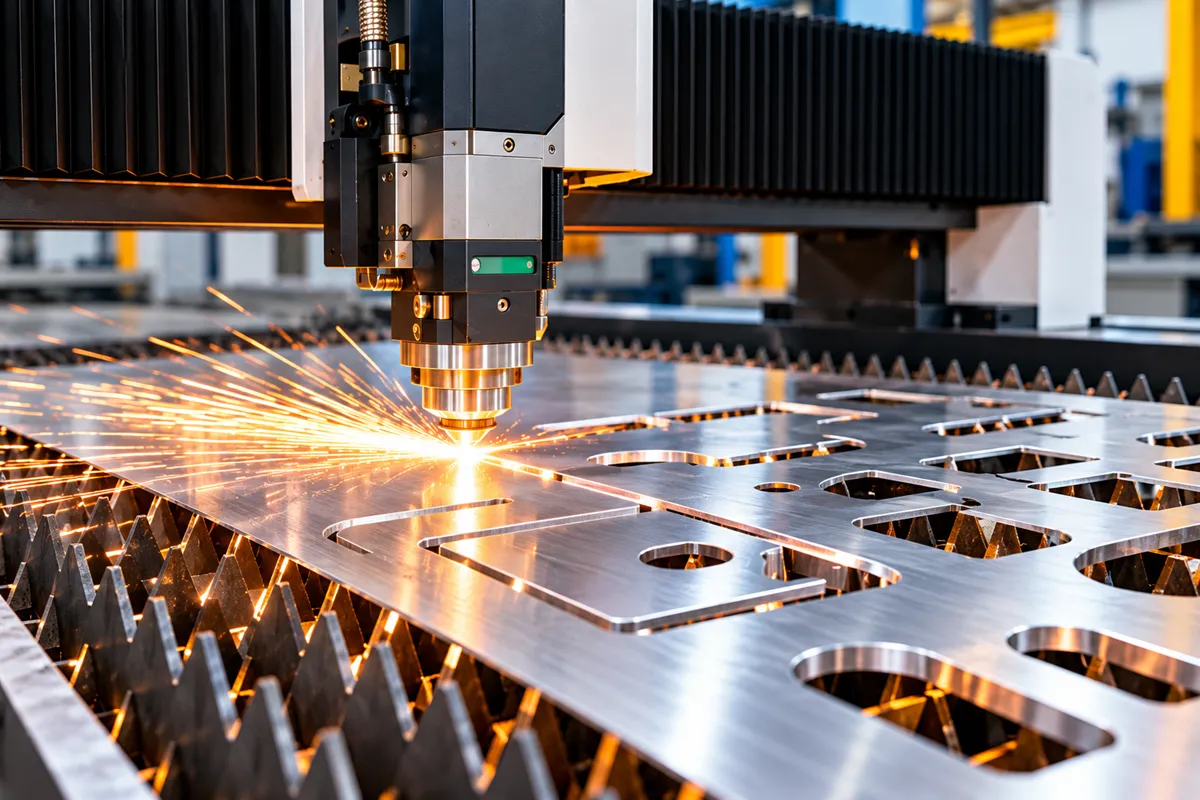
When it comes to manufacturing aluminium components, laser cutting is a practical option for producing accurate shapes and profiles. It works especially well when the part has holes, slots, curves, or other details that would be difficult or expensive to produce using conventional cutting methods.
But before choosing aluminium laser cutting, there are three things most manufacturers want to understand: how much it costs, what thickness can be cut, and where it is commonly used.
How Much Does Aluminium Laser Cutting Cost?
There is no fixed price for aluminium laser cutting. The cost depends on the material and, more importantly, on how much work is involved in cutting the component.
For example, a simple rectangular plate with four holes will normally take much less machine time than a component with a complicated profile and dozens of cut-outs.
Some of the main factors that affect the price are:
- Aluminium grade and thickness
- Total cutting length
- Number of holes and cut-outs
- Shape and complexity of the component
- Quantity required
- Sheet utilisation
- Cutting speed
- Assist gas consumption
Material utilisation is also important. If several components can be arranged efficiently on one sheet, less material may be wasted. This can make a noticeable difference when larger quantities are being produced.
For an accurate quotation, it is useful to provide the drawing, aluminium grade, thickness, and quantity.
What Thickness of Aluminium Can Be Laser Cut?
The thickness that can be laser cut depends on the laser power, machine configuration, aluminium grade, and the quality expected from the finished part.
Thin aluminium sheets can generally be cut at relatively high speeds. As the thickness increases, the cutting speed and process requirements change.
Aluminium also behaves differently from mild steel during laser cutting. It has high thermal conductivity and a reflective surface, so the cutting parameters need to be selected carefully.
This is why the maximum thickness a machine can technically cut is not always the thickness that is most economical for regular production.
For manufacturers, the more useful question is not simply “Can it be cut?”, but “Can it be cut at the required quality, speed, and cost?”
Where Is Aluminium Laser Cutting Used?
Aluminium laser cutting is used in applications where manufacturers need components that are relatively light, accurate, and resistant to corrosion.
| Industry | Common Applications | Examples of Components |
|---|---|---|
| Automotive | Lightweight components | Brackets, panels, mounting parts |
| Electrical & Electronics | Enclosures and equipment | Panels, covers, mounting plates |
| Engineering | Precision components | Plates, brackets, supports |
| Machinery | Machine components | Guards, covers, brackets |
| HVAC | Equipment components | Panels, covers, brackets |
| Solar | Mounting and support systems | Plates, brackets, supports |
| Aerospace | Lightweight components | Panels, brackets, structural parts |
| Architecture & Interiors | Decorative and functional parts | Screens, panels, custom profiles |
| Transportation | Lightweight structures | Panels, brackets, supports |
| General Manufacturing | Custom components | Plates, covers, profiles, brackets |
Why Choose Laser Cutting for Aluminium?
One of the biggest advantages of laser cutting is the flexibility it offers.
A component can be designed in CAD and the profile can then be cut directly from the aluminium sheet. This is useful when designs change frequently or when a manufacturer does not want to invest in dedicated dies and tooling.
Laser cutting is also suitable for both prototypes and repeat production. Once the cutting program has been prepared, the same profile can be reproduced across multiple components.
Another advantage is the ability to cut detailed shapes, holes, slots, and contours without changing the basic cutting process.
Aluminium or Mild Steel: Which One Should You Use?
The choice between aluminium and mild steel depends mainly on the application.
Aluminium is generally preferred when lower weight, corrosion resistance, or appearance is important. Mild steel is often selected when higher structural strength, cost efficiency, or heavier construction is required.
The material should therefore be selected based on the actual requirements of the component rather than simply the cutting process.
Final Thoughts
Aluminium laser cutting has become an important process for manufacturers looking for accurate and repeatable components without extensive tooling.
The final cost depends on the aluminium grade, thickness, component design, cutting length, quantity, and sheet utilisation. Similarly, the practical cutting thickness depends on the laser system and the quality required from the finished component.
For anyone planning an aluminium laser-cutting job, having the CAD drawing, material grade, thickness, and quantity ready is the best starting point for determining the right process and cost.