
Metal bending is one of the most important processes in sheet metal fabrication. While factors like material type, thickness, and tooling are often discussed, bend radius is equally critical. Selecting the correct bend radius directly affects product strength, dimensional accuracy, appearance, manufacturability, and production costs.
An incorrect bend radius can lead to cracks, wrinkles, excessive springback, or unnecessary stress on the material. Understanding how bend radius works helps engineers, designers, and manufacturers produce high-quality components with consistent results.
What Is Bend Radius?
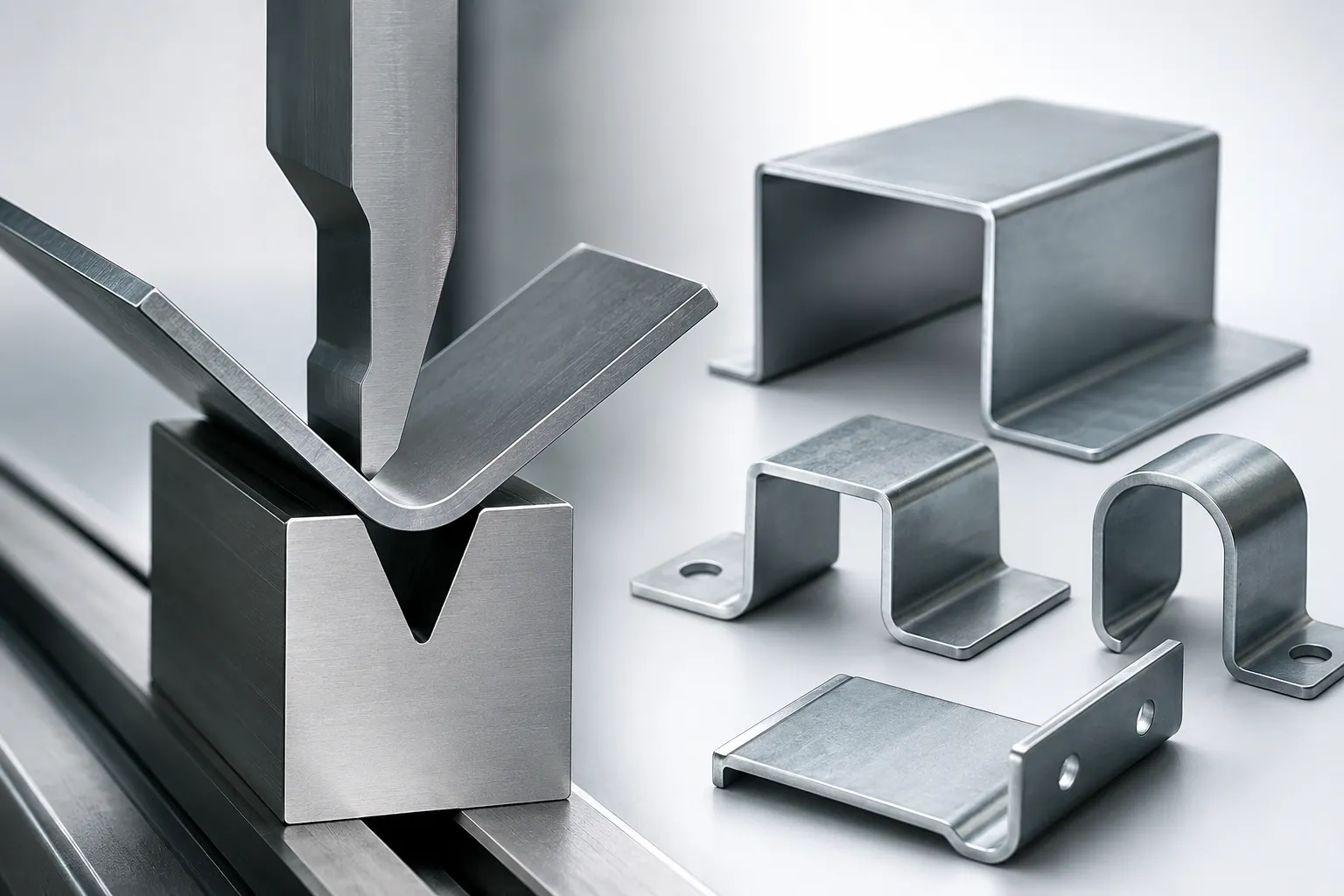
The bend radius is the radius of the inside surface of a bend after the sheet metal has been formed. It represents how tightly or gradually the material is bent.
A smaller bend radius creates a sharper bend, while a larger bend radius produces a smoother curve. The chosen radius influences how the material stretches on the outside of the bend and compresses on the inside.
Why Bend Radius Matters
Selecting the appropriate bend radius offers several important advantages:
- Reduces the risk of cracking and material failure.
- Maintains dimensional accuracy.
- Improves product strength and durability.
- Minimizes springback.
- Enhances surface finish and appearance.
- Extends tool life.
- Ensures repeatable production quality.
Ignoring proper bend radius recommendations often results in rejected parts, higher scrap rates, and increased manufacturing costs.
Factors That Influence Bend Radius Selection
Material Type
Different materials behave differently during bending.
- Mild Steel can generally tolerate tighter bends.
- Stainless Steel is stronger but requires larger bend radii to prevent cracking.
- Aluminum is softer but certain alloys may crack when bent too sharply.
- Copper and Brass are highly formable and usually allow tighter bends.
Understanding the material’s ductility is the first step in determining the ideal bend radius.
Material Thickness
As sheet thickness increases, the minimum recommended bend radius also increases.
Thicker materials experience greater internal stress during bending. Attempting extremely tight bends on thick sheets can damage both the material and the tooling.
A common industry guideline is to use an inside bend radius approximately equal to the material thickness for many standard applications, although the exact value depends on the material grade.
Grain Direction
Rolled sheet metal has a grain direction created during manufacturing.
Bending perpendicular to the grain generally reduces the risk of cracking, while bending parallel to the grain may require a larger bend radius to maintain material integrity.
Considering grain orientation during design improves bend quality and extends product life.
Material Strength
Higher tensile strength materials require greater bending force and usually larger bend radii.
Advanced high-strength steels, hardened alloys, and specialty metals should always follow manufacturer-recommended bending guidelines.
Manufacturing Method
Different bending processes have different radius capabilities.
- Air bending offers flexibility with multiple bend radii using the same tooling.
- Bottom bending produces more accurate and consistent bends.
- Coining creates very precise bends with minimal springback but requires higher force.
The selected manufacturing process often determines the achievable bend radius.
Understanding Springback
Springback is the tendency of metal to partially return toward its original shape after bending pressure is released.
Materials with higher strength, such as stainless steel and aluminum, generally exhibit greater springback.
Choosing an appropriate bend radius and compensating during tooling setup helps achieve accurate final angles.
Minimum Recommended Bend Radius
While exact values depend on material specifications, general recommendations include:
| Material | Typical Minimum Inside Bend Radius |
|---|---|
| Mild Steel | 1 × Material Thickness |
| Stainless Steel | 1.5–2 × Material Thickness |
| Aluminum | 1–2 × Material Thickness (depending on alloy) |
| Copper | 0.75–1 × Material Thickness |
| Brass | 1 × Material Thickness |
These values should always be verified against the specific material grade and fabrication requirements.
Common Problems Caused by Incorrect Bend Radius
Selecting an unsuitable bend radius can result in several manufacturing issues:
Cracking
A bend radius that is too small stretches the outer fibers beyond their limit, causing cracks or fractures.
Wrinkling
An excessively large radius without adequate support may cause compression wrinkles on the inside of the bend.
Excessive Springback
Improper radius selection can make it difficult to achieve the desired bend angle consistently.
Dimensional Errors
Incorrect bend calculations affect bend allowance and bend deduction, leading to inaccurate finished dimensions.
Reduced Structural Strength
Improper bending introduces internal stresses that may reduce fatigue resistance and long-term durability.
Bend Radius and Design for Manufacturability
Designing with realistic bend radii improves production efficiency and reduces costs.
Good design practices include:
- Use standard bend radii whenever possible.
- Avoid unnecessarily sharp bends.
- Allow sufficient clearance between bends and holes.
- Consider tooling limitations during design.
- Maintain consistent bend radii across similar parts.
- Collaborate with your fabrication partner during the design stage.
These practices simplify manufacturing while improving product quality.
How Tooling Affects Bend Radius
The punch and die combination directly influences the final bend radius.
Proper tooling selection provides:
- Better dimensional consistency
- Reduced surface marking
- Longer tool life
- Lower maintenance requirements
- Improved production speed
Experienced fabricators select tooling based on material properties, thickness, and production volume to achieve the desired bend profile.
Quality Control in Metal Bending
Maintaining consistent bend radius requires careful process control.
Quality checks typically include:
- Measuring bend angles.
- Verifying inside bend radius.
- Inspecting for cracks or surface defects.
- Confirming dimensional accuracy.
- Monitoring springback compensation.
- Ensuring repeatability across production batches.
Modern CNC press brakes combined with precision tooling help maintain tight tolerances throughout production.
Choosing the Right Fabrication Partner
A reliable sheet metal fabrication partner does more than simply bend metal. They provide expertise in material selection, tooling, bend calculations, and process optimization.
An experienced manufacturer can recommend the most suitable bend radius for your application while balancing performance, manufacturability, and cost.
Working with a knowledgeable fabrication partner reduces production risks, shortens development time, and ensures consistently high-quality components.
Conclusion
Choosing the correct bend radius is a fundamental aspect of successful sheet metal fabrication. It influences everything from structural integrity and product appearance to manufacturing efficiency and production costs.
By considering factors such as material type, thickness, grain direction, tooling, and bending method, manufacturers can achieve precise, repeatable bends while minimizing defects. Investing time in proper bend radius selection leads to stronger products, smoother production, and better long-term performance for every fabrication project.