
When customers request laser cutting services, one of the first questions they ask is, “How much will it cost?” The answer depends on several factors that influence production time, material usage, and overall project complexity.
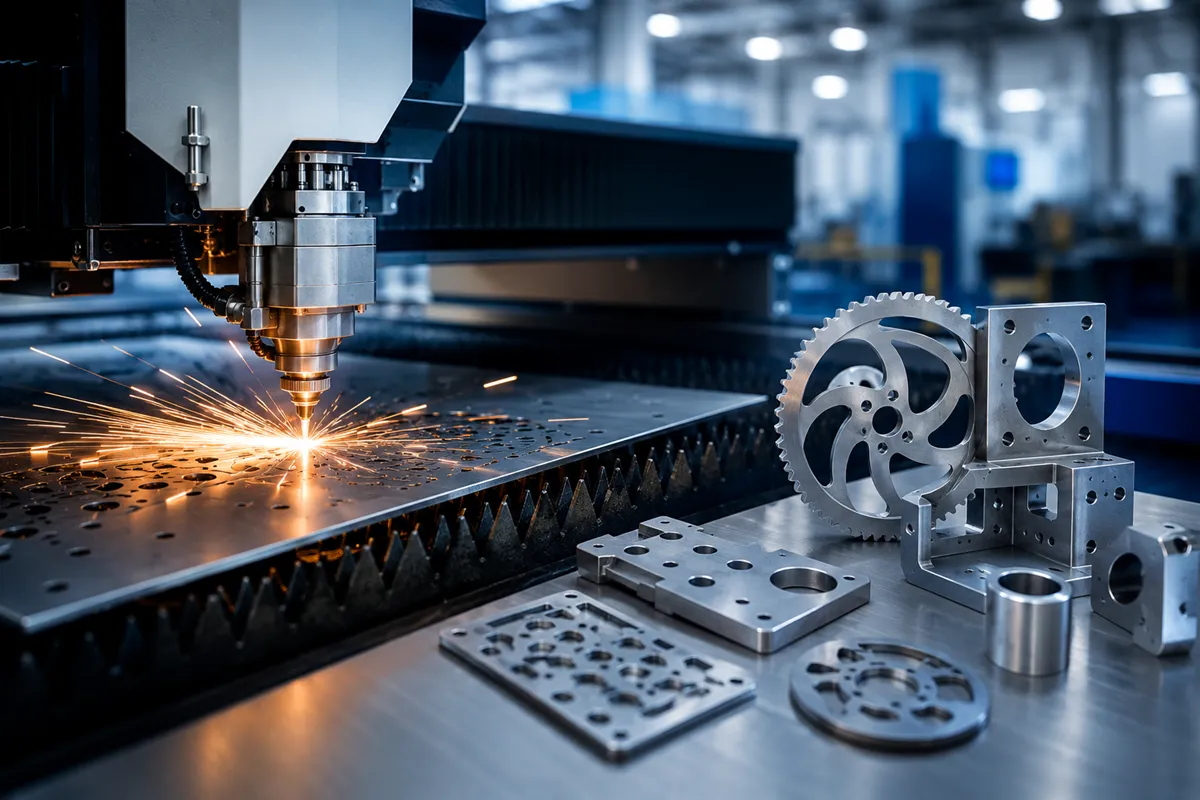
Understanding these cost factors helps you plan your project more effectively and make informed decisions without compromising quality.
1. Material Type
The type of material being cut has a significant impact on cost. Different metals require different laser settings, cutting speeds, and power levels.
For example:
- Mild steel is generally more economical to cut.
- Stainless steel requires more precision and processing.
- Aluminum, brass, and copper may require specialized settings and additional attention.
Selecting the right material for your application can help balance performance and budget.
2. Material Thickness
Thicker materials take longer to cut and require higher laser power. As thickness increases, cutting speed decreases, which directly affects production time and cost.
A simple design in thin sheet metal can often be produced faster and more economically than the same design in a thicker material.
3. Design Complexity
The complexity of the cutting pattern plays a major role in pricing.
Projects with:
- Numerous holes
- Intricate details
- Sharp corners
- Fine features
require more machine movement and longer cutting times.
Simple designs are typically faster to process and more cost-effective.
4. Quantity Required
Production volume affects the overall cost per part.
Higher quantities allow setup costs to be distributed across more components, often reducing the cost per unit. Small prototype runs may have a higher per-piece cost compared to larger production batches.
5. Cutting Time
Laser cutting costs are closely linked to machine operating time.
Factors that increase cutting time include:
- Complex geometries
- Long cutting paths
- Thick materials
- Tight tolerances
Efficient programming and nesting can help reduce machine time and improve cost efficiency.
6. Material Utilization
The way parts are arranged on a sheet can significantly impact material consumption.
Optimized nesting reduces scrap and makes better use of raw material, helping lower project costs. Experienced laser cutting providers use advanced nesting techniques to maximize material utilization.
7. Tolerance and Precision Requirements
Projects requiring extremely tight tolerances often involve additional quality checks and careful process control.
While high precision delivers better fit and performance, it may increase production costs depending on the specifications.
8. Additional Processes
Laser cutting is often only one step in the manufacturing process.
Additional services such as:
- CNC bending
- Welding
- Machining
- Tapping
- Surface finishing
- Powder coating
can affect the final project cost but also simplify production by reducing the need for multiple suppliers.
9. Delivery Timeline
Urgent orders may require priority scheduling, additional shifts, or changes to production planning.
Providing adequate lead time allows for more efficient scheduling and can help keep costs optimized.
How We Help Control Laser Cutting Costs
At our facility, we focus on delivering the best balance of quality, precision, and cost efficiency. By optimizing nesting, selecting appropriate cutting parameters, and leveraging modern fiber laser technology, we help customers reduce material waste and improve production efficiency.
Whether you need a single prototype or high-volume production, our team works closely with you to provide practical solutions that meet both technical requirements and budget expectations.
Get Expert Guidance for Your Project
Every laser cutting project is unique. Material selection, design complexity, quantity, and finishing requirements all influence the final cost.
If you’re planning a project and would like a detailed quotation, our team is ready to help you identify the most cost-effective manufacturing approach while maintaining the quality your application demands.